
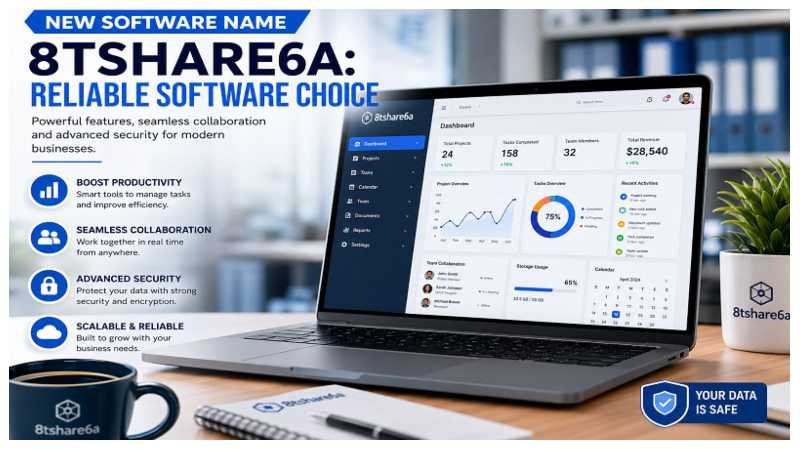
The software industry continues to evolve as businesses search for tools that can improve productivity, simplify workflows, and support long-term growth. Organizations no longer want applications that perform only a single function. Instead, they prefer platforms capable of managing multiple processes within one centralized environment. This shift has created opportunities for emerging software solutions that emphasize flexibility, efficiency, and scalability.
Among the names gaining attention is 8tshare6a, a platform that aims to provide users with dependable features, streamlined operations, and modern productivity capabilities. Although relatively new compared to established enterprise solutions, 8tshare6a demonstrates many characteristics organizations typically seek when evaluating software investments.
This guide explores what 8tshare6a software is, why interest in it continues to grow, and the key features that contribute to its reputation as a potentially reliable software choice.
What Is 8tshare6a Software?
8tshare6a software can be described as a digital platform designed to help users organize information, automate routine activities, and improve collaboration among teams. Software within this category generally focuses on reducing complexity while giving users access to tools that simplify daily responsibilities.
Many modern businesses struggle with fragmented systems that require employees to constantly switch between multiple applications. This approach often creates inefficiencies, increases administrative work, and makes information more difficult to locate. Platforms such as 8tshare6a attempt to address these issues by bringing essential functions together in one place.
Depending on organizational needs, users may leverage the software for:
- Project coordination
- File management
- Team communication
- Workflow tracking
- Reporting activities
- Data organization
The growing demand for centralized business solutions has encouraged companies to explore platforms capable of adapting to changing workplace requirements.
Why It Is Gaining Attention
Several factors contribute to the increasing interest surrounding 8tshare6a software.
Businesses increasingly recognize the importance of investing in systems that support operational efficiency while remaining easy to deploy and maintain. Companies also want software capable of scaling alongside organizational growth.
Some reasons organizations may find 8tshare6a appealing include:
- Simplified workflows
- Flexible deployment options
- Improved team coordination
- Reduced manual workloads
- Better visibility into operations
The popularity of cloud-based technologies and hybrid work environments has also influenced software purchasing decisions. Organizations now expect solutions to function seamlessly across various devices and locations, making versatility an important competitive advantage.
Another reason for growing attention involves the emphasis on user experience. Employees tend to adopt software more readily when interfaces remain intuitive, navigation is straightforward, and common tasks require minimal effort.
Key Features of 8tshare6a
Features often determine whether software becomes a valuable business asset or an underutilized investment. Platforms that combine practical capabilities with ease of use generally achieve higher adoption rates.
8tshare6a appears to prioritize tools that improve productivity, reduce repetitive activities, and support collaboration.
Productivity Tools
Productivity remains one of the most important goals for modern organizations.
Employees frequently lose valuable time managing scattered information, responding to unnecessary emails, and updating multiple systems manually. Productivity tools seek to minimize these inefficiencies by creating structured work environments.
Potential productivity capabilities within 8tshare6a may include:
Dashboard Management
Dashboards provide centralized views of tasks, schedules, projects, and performance indicators.
Users can often customize dashboards according to individual preferences, helping them monitor priorities more effectively.
Task Tracking
Task management systems assist users in organizing responsibilities and monitoring progress.
Features may include:
- Due dates
- Priority labels
- Status indicators
- Notifications
- Activity logs
Clear task visibility improves accountability and reduces missed deadlines.
Document Organization
Efficient document management helps teams locate information quickly.
Software platforms frequently provide:
- Search functions
- Categorization tools
- Version control
- Shared folders
- Archiving options
Organized information environments contribute significantly to productivity improvements.
Automation Capabilities
Automation has become an essential component of modern software solutions.
Businesses increasingly rely on automation technologies to eliminate repetitive tasks and improve operational consistency.
By reducing manual intervention, employees can dedicate more time to activities that require creativity, strategic thinking, and problem-solving.
Examples of automation features may include:
Automated Notifications
Systems can notify users when important events occur, such as:
- Task completions
- Approval requests
- Upcoming deadlines
- Project changes
- Security alerts
Automated reminders help teams stay informed without constant monitoring.
Workflow Execution
Workflow automation enables software to perform predefined actions automatically.
Examples include:
- Assigning responsibilities
- Routing documents
- Updating statuses
- Generating reports
- Triggering follow-up actions
Automation often improves efficiency while reducing human error.
Scheduled Processes
Organizations frequently perform recurring activities on predictable schedules.
Software automation may support:
- Daily reports
- Weekly summaries
- Data backups
- Maintenance routines
- Synchronization tasks
Scheduled operations help maintain consistency across departments.
Collaboration Features
Collaboration tools have become increasingly important as remote and hybrid work arrangements continue expanding.
Employees need systems that allow them to exchange information quickly and coordinate activities regardless of location.
8tshare6a may support collaboration through various integrated capabilities.
Shared Workspaces
Shared environments provide centralized locations where teams can access project materials, monitor updates, and communicate effectively.
Benefits of shared workspaces include:
- Improved transparency
- Better coordination
- Faster decision-making
- Reduced duplication of effort
Centralized information also minimizes confusion caused by scattered communications.
File Sharing
File-sharing tools simplify document distribution among colleagues.
Useful features may include:
- Permission controls
- Download management
- Cloud synchronization
- Secure transfers
- Version history
Efficient sharing capabilities improve teamwork while maintaining document integrity.
Team Communication
Integrated messaging systems can reduce reliance on external communication platforms.
Organizations may benefit from:
- Real-time discussions
- Group conversations
- Announcement channels
- Commenting systems
- Activity notifications
Effective communication tools strengthen collaboration and improve responsiveness.
Performance and Reliability
Performance plays a critical role in determining overall software quality. Users expect applications to remain responsive, stable, and dependable even during periods of heavy usage.
Organizations investing in new software solutions typically evaluate performance characteristics carefully before deployment.
Stable System Operations
Reliability directly influences user confidence.
Software downtime can interrupt workflows, delay projects, and negatively impact productivity.
Platforms designed with stability in mind often emphasize:
- Consistent uptime
- Error monitoring
- Recovery mechanisms
- Backup procedures
- Performance tracking
Stable operations help businesses maintain continuity and support long-term adoption.
Fast Processing Speeds
Modern users expect software to process requests quickly.
Slow applications may frustrate employees and reduce efficiency.
Performance optimization techniques can help improve responsiveness by enhancing database queries, managing resources efficiently, and reducing unnecessary delays.
Scalability Benefits
Scalability allows software to accommodate organizational growth without requiring major architectural changes.
As businesses expand, they frequently need systems capable of supporting:
- Additional employees
- Larger datasets
- Increased transaction volumes
- Expanded workflows
- New integrations
Software that scales effectively often provides greater long-term value because organizations can continue using it as their operational needs evolve.