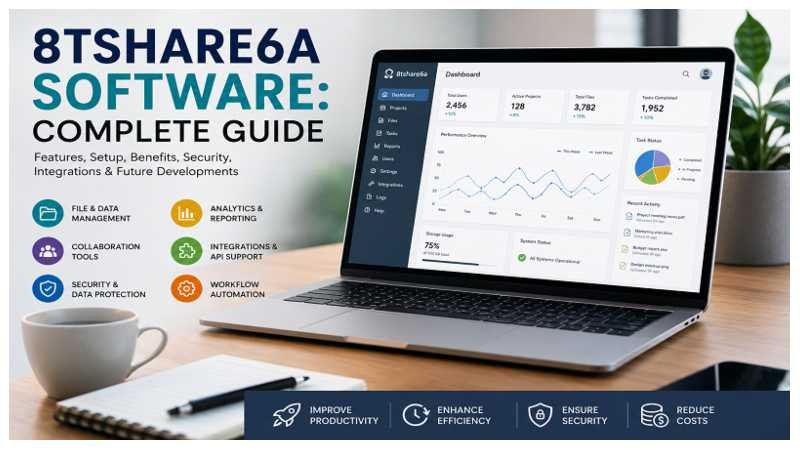
Software solutions continue to evolve as businesses and individuals seek tools that improve productivity, simplify workflows, and support digital transformation. Among the emerging names attracting interest is 8tshare6a software. Discussions surrounding this platform have increased because users want versatile applications that combine efficiency, scalability, and ease of use.
This 8tshare6a Software: Complete Guide explains its purpose, features, architecture, and potential benefits while providing a general overview of how such software platforms typically operate.
What Is 8tshare6a Software?
8tshare6a software can be described as a digital platform designed to help users manage information, automate workflows, and support collaborative activities. While implementation details may vary, software in this category usually focuses on streamlining routine processes and improving operational efficiency.
Most modern platforms emphasize accessibility, flexibility, and centralized management to meet growing business demands.
Why Understanding 8tshare6a Matters
Understanding software capabilities before adoption helps organizations make informed decisions.
Businesses often evaluate software based on:
- Performance
- Security
- Integration capabilities
- Ease of deployment
- Scalability
Knowledge of these factors enables companies to determine whether a platform aligns with their operational requirements.
Overview of 8tshare6a Software
The software appears designed to provide users with a structured environment for handling data, coordinating activities, and improving productivity.
Organizations increasingly prefer platforms that minimize complexity while supporting multiple business functions.
Core Purpose and Functionality
The primary objective of the 8tshare6a software is to simplify daily operations through centralized tools.
Typical functions may include:
- Data organization
- Task management
- File sharing
- Reporting
- Workflow coordination
These capabilities help reduce manual effort while improving efficiency.
Key Features and Capabilities
Modern software solutions generally include numerous features designed to support various user needs.
Potential capabilities may involve:
- Dashboard management
- Analytics tools
- User permissions
- Cloud synchronization
- Automated notifications
These functions contribute to a more organized digital environment.
Target Users and Use Cases
8tshare6a software may appeal to different types of users.
Examples include:
Small Businesses
Small organizations often need affordable systems that simplify administration and improve productivity.
Growing Companies
Expanding businesses require scalable platforms capable of adapting to increasing workloads.
Individual Professionals
Freelancers and consultants may benefit from tools that centralize tasks and information management.
How 8tshare6a Software Works
Most software platforms rely on structured processes to collect, process, and distribute information.
8tshare6a likely follows a similar approach.
Data Processing and Management
Data management serves as one of the most important software functions.
The system may allow users to:
- Store records
- Organize files
- Search information
- Generate reports
- Update datasets
Efficient data processing supports better decision-making.
Workflow Automation
Automation reduces repetitive administrative activities.
Common automation capabilities include:
- Scheduled notifications
- Status updates
- Task assignments
- Approval workflows
- Report generation
Automation helps employees spend more time on strategic activities.
User Interaction and System Operations
Users typically interact with software through dashboards, menus, and configurable settings.
Effective interfaces help users:
- Access information quickly
- Manage projects efficiently
- Customize preferences
- Track progress
- Monitor activities
Simple navigation often improves user satisfaction and software adoption.
Software Architecture Behind 8tshare6a
Software architecture determines how applications operate, scale, and maintain stability.
A well-designed structure supports long-term growth.
Front-End Components
The front end represents the visual layer that users interact with daily.
Common front-end technologies may include:
- HTML
- CSS
- JavaScript
- Interactive frameworks
User-friendly interfaces often encourage higher engagement rates.
Back-End Infrastructure
The back-end processes requests, stores information, and manages business logic.
Important responsibilities include:
- Authentication
- Data processing
- Workflow execution
- System monitoring
- Resource management
Reliable infrastructure contributes to stable software performance.
Database Integration
Databases provide centralized storage for application information.
Software platforms frequently rely on databases to manage:
- User accounts
- Activity logs
- Documents
- Analytics records
- Configuration settings
Efficient database integration improves performance while supporting future scalability.
Technologies Used in 8tshare6a Software
Technology choices influence software performance, scalability, and long-term maintainability. Modern platforms typically rely on a combination of programming languages, frameworks, and cloud services to deliver reliable user experiences.
Programming Languages
Programming languages form the foundation of any software application.
8tshare6a software may utilize languages commonly used in modern development, such as:
- Python
- JavaScript
- Java
- C#
- PHP
Developers often select languages based on project requirements, security considerations, and expected workloads.
Frameworks and Development Tools
Frameworks help accelerate development while improving code consistency.
Examples of commonly used frameworks include:
- React
- Angular
- Django
- Flask
- Node.js
Development teams may also use tools for version control, testing, deployment, and project management to streamline software creation.
Cloud Hosting and Infrastructure
Cloud environments provide scalable resources for hosting applications and managing workloads efficiently.
Benefits of cloud infrastructure include:
- Flexible resource allocation
- Reduced hardware expenses
- Improved availability
- Automated backups
- Easier maintenance
Cloud-based deployment enables organizations to expand operations without major infrastructure investments.
Installation and Setup Process
Proper installation ensures software stability and minimizes configuration issues.
Users should prepare their systems before beginning the setup process.
System Requirements
Users should confirm that their systems satisfy the software’s minimum hardware and software requirements before starting the installation process.
Typical requirements may include:
- Compatible operating systems
- Adequate storage capacity
- Sufficient memory
- Stable internet connectivity
- Updated supporting software
Checking system requirements helps avoid installation failures.
Downloading and Installing the Software
Users should obtain installation files from trusted sources whenever possible.
The installation process usually involves:
- Downloading the setup package
- Launching the installer
- Accepting license agreements
- Selecting installation preferences
- Completing setup procedures
Following the recommended steps contributes to a smoother deployment.
Initial Configuration Steps
After installation, users typically customize settings according to organizational needs.
Initial configuration tasks may include:
- Creating user accounts
- Setting permissions
- Connecting external services
- Configuring notifications
- Adjusting interface preferences
Proper configuration improves usability and security.
Main Features of 8tshare6a Software
Features determine how effectively software supports business objectives.
Modern platforms emphasize flexibility, collaboration, and information accessibility.
File and Data Management
Effective data management tools help users organize information efficiently.
Capabilities may include:
- File storage
- Search functions
- Document categorization
- Version tracking
- Backup management
Organized data environments improve productivity.
Collaboration and Sharing Tools
Collaboration remains essential for modern teams.
Useful sharing features may include:
- Shared workspaces
- Real-time editing
- Team messaging
- Document distribution
- Activity tracking
Collaborative environments help employees work more efficiently.
Reporting and Analytics Features
Analytics tools provide valuable insights into operations.
Organizations may use reporting systems to monitor:
- Performance metrics
- Project progress
- User activity
- Resource usage
- Business trends
Data-driven insights support better decision-making.
Customization Options
Customization enables users to tailor software experiences to individual preferences.
Examples include:
- Personalized dashboards
- Configurable notifications
- Adjustable workflows
- Interface themes
- User-specific settings
Flexible customization often increases user satisfaction.
Security and Data Protection
Security remains a top priority for organizations managing digital information.
Protective measures help maintain confidentiality, integrity, and availability.
User Authentication Methods
Authentication verifies user identities before granting access.
Common methods include:
- Password-based login
- Multi-factor authentication
- Single sign-on
- Biometric verification
Strong authentication reduces unauthorized access risks.
Data Encryption Practices
Encryption protects sensitive information during storage and transmission.
Security practices may involve:
- End-to-end encryption
- Secure communication protocols
- Encrypted backups
- Key management systems
Encryption strengthens data protection efforts.
Access Control and Permissions
Permission systems help administrators manage user privileges.
Organizations often define access based on:
- Roles
- Departments
- Responsibilities
- Security policies
Proper access control limits exposure to sensitive information.
Performance and Scalability
Performance and scalability determine how effectively software can support growing workloads and increasing user demands. Applications that maintain responsiveness under pressure often deliver better user experiences and long-term value.
Handling Large Workloads
As organizations expand, software must process larger volumes of data and accommodate additional users without sacrificing efficiency.
Strategies for handling heavy workloads include:
- Load balancing
- Distributed processing
- Optimized databases
- Caching mechanisms
- Efficient resource allocation
These techniques help maintain stable performance.
Resource Optimization Techniques
Resource optimization ensures that software uses computing power efficiently.
Common methods include:
- Memory management
- Query optimization
- Background processing
- Data compression
- Automated scaling
Efficient resource usage contributes to lower operating costs and improved responsiveness.
Future Scalability Considerations
Scalable software can adapt to changing business requirements.
Developers often plan for growth by designing systems that support:
- Additional users
- Increased storage demands
- New features
- Expanded integrations
- Geographic expansion
Scalability planning reduces the need for disruptive migrations later.
Integration Capabilities
Integration plays an important role in modern software ecosystems.
Organizations typically rely on multiple digital tools and expect them to communicate seamlessly.
Third-Party Application Support
Third-party integrations help users connect software with existing business systems.
Examples may include:
- Customer relationship management platforms
- Accounting applications
- Cloud storage services
- Communication tools
- Marketing systems
Integration reduces duplicate work and improves operational efficiency.
API Connectivity
Application programming interfaces enable systems to exchange information automatically.
API connectivity may support:
- Data synchronization
- Workflow automation
- External service integration
- Custom application development
- Real-time updates
Strong API support enhances software flexibility.
Cross-Platform Compatibility
Users increasingly expect software to function across various devices and operating systems.
Cross-platform support may include:
- Desktop applications
- Mobile devices
- Web browsers
- Tablets
- Hybrid environments
Compatibility improves accessibility and user convenience.
Benefits of Using 8tshare6a Software
Organizations adopt software solutions primarily to improve productivity and simplify operations.
Improved Productivity
Centralized tools help employees complete tasks more efficiently.
Potential productivity benefits include:
- Faster information access
- Reduced manual work
- Improved coordination
- Better organization
- Simplified communication
Employees often achieve better results when they work within structured environments.
Enhanced Workflow Efficiency
Workflow optimization helps businesses streamline processes and eliminate bottlenecks.
Efficient workflows may lead to:
- Faster approvals
- Reduced delays
- Improved collaboration
- Better project tracking
- Increased operational consistency
Organizations frequently prioritize solutions that support smoother workflows.
Cost-Effective Operations
Integrated software platforms may reduce expenses associated with maintaining multiple systems.
Cost advantages can include:
- Lower licensing fees
- Reduced training costs
- Simplified maintenance
- Better resource utilization
- Improved return on investment
Cost-effective solutions remain attractive to businesses of all sizes.
Common Challenges and Solutions
Software implementation occasionally presents obstacles that organizations must address.
Understanding these challenges helps users prepare effective responses.
Troubleshooting Performance Issues
Performance problems may occur because of:
- Insufficient hardware
- Network limitations
- Large datasets
- Misconfigured settings
- Outdated software versions
Regular monitoring helps identify issues early.
Managing Software Updates
Software updates introduce improvements, security patches, and new capabilities.
Organizations should establish procedures for:
- Testing updates
- Scheduling deployments
- Creating backups
- Documenting changes
- Training users
Structured update management minimizes disruptions.
Addressing Compatibility Concerns
Compatibility challenges may arise when integrating software with older systems.
Businesses can reduce risks by:
- Reviewing technical requirements
- Performing pilot deployments
- Updating legacy applications
- Consulting vendors
- Monitoring integrations
Proactive planning supports smoother implementations.
Best Practices for Using 8tshare6a Software
Following best practices helps organizations maximize software value.
Optimizing Daily Workflows
Users should regularly evaluate processes to identify improvement opportunities.
Helpful practices include:
- Standardizing procedures
- Automating repetitive tasks
- Organizing files effectively
- Establishing communication guidelines
- Monitoring progress indicators
Continuous optimization improves efficiency.
Maintaining System Security
Security should remain an ongoing priority.
Recommended practices include:
- Using strong passwords
- Enabling multi-factor authentication
- Monitoring user activity
- Applying security updates promptly
- Conducting periodic audits
Strong security measures help protect valuable information.
Keeping the Software Updated
Updated software typically provides better performance and stronger protection against vulnerabilities.
Organizations should:
- Enable automatic updates when appropriate
- Test patches before deployment
- Maintain backup copies
- Document software versions
- Review release notes regularly
Consistent maintenance contributes to long-term stability.
Future Developments for 8tshare6a Software
Technology trends continue shaping software innovation.
Future enhancements may introduce additional capabilities designed to improve productivity and user experiences.
Emerging Technologies and Innovations
Emerging technologies may influence future versions of 8tshare6a software.
Examples include:
- Advanced analytics
- Intelligent automation
- Edge computing
- Enhanced cloud services
- Improved collaboration tools
Innovation often helps software remain competitive.
AI and Automation Opportunities
Artificial intelligence continues to transform software capabilities.
Potential applications may include:
- Predictive insights
- Smart recommendations
- Automated reporting
- Intelligent assistants
- Adaptive workflows
AI-driven features can reduce administrative burdens while improving decision-making.
Long-Term Development Roadmap
Long-term planning supports sustainable software growth.
Development priorities may focus on:
- Feature expansion
- Performance improvements
- Security enhancements
- Broader integrations
- Increased scalability
Strategic roadmaps help software evolve alongside changing user expectations.
Conclusion
The 8tshare6a Software: Complete Guide provides an overview of a platform designed to support productivity, collaboration, and operational efficiency. By combining data management, automation, security, and integration capabilities, software solutions like 8tshare6a can help organizations streamline workflows and adapt to evolving business requirements.
Key Takeaways
- 8tshare6a software aims to centralize workflows and improve efficiency.
- Automation can reduce repetitive tasks and administrative workloads.
- Security features such as authentication and encryption remain essential.
- Scalability and integration capabilities support long-term growth.
- Organizations benefit most when they follow structured deployment and maintenance practices.
Final Thoughts on 8tshare6a Software: Complete Guide
As businesses continue pursuing digital transformation initiatives, software platforms that emphasize flexibility, security, and productivity are likely to remain highly valuable. Whether used by small teams or growing enterprises, 8tshare6a software demonstrates the characteristics organizations increasingly seek in modern business solutions.