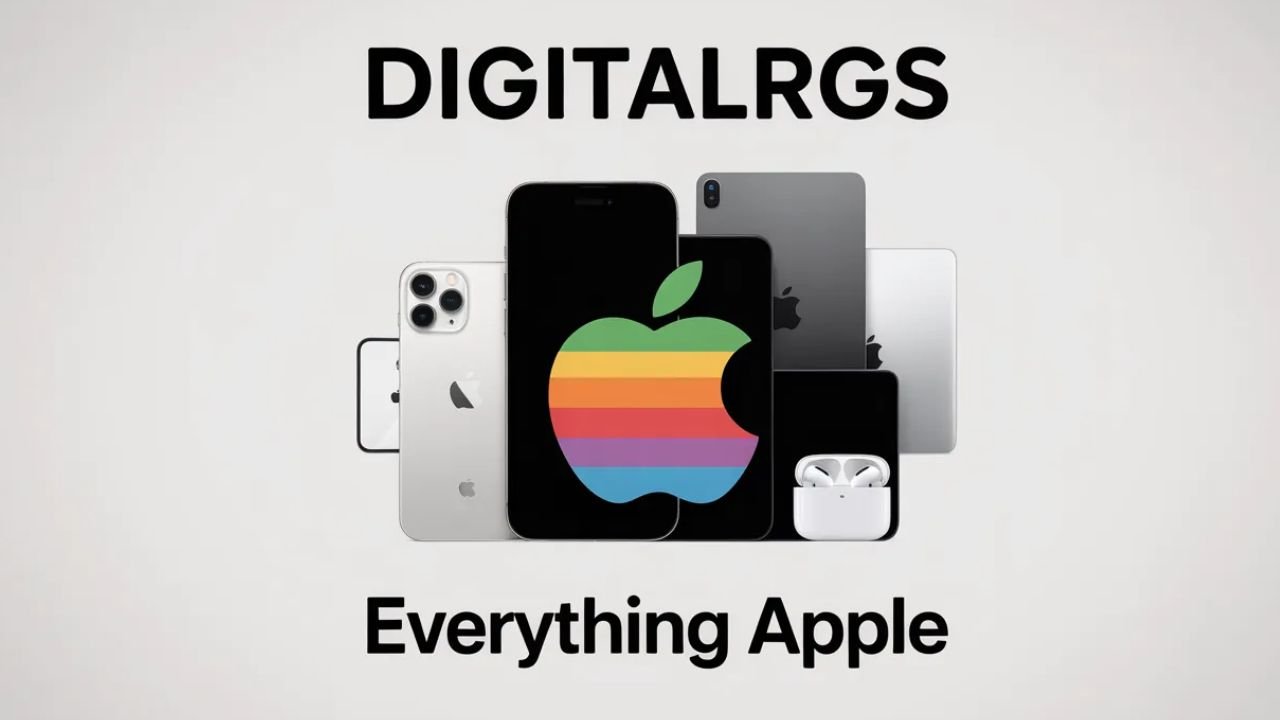
The modern digital experience is no longer about using a single device. It is about how multiple devices work together to create a smooth, efficient, and intelligent workflow. This is exactly where the ecosystem built by Apple Inc. stands out. From smartphones to laptops and wearable devices, Apple has developed a tightly integrated environment that prioritizes performance, simplicity, and user experience.
The idea behind DigitalRGS Everything Apple is to simplify this ecosystem for users. Whether someone is new to Apple products or already owns multiple devices, understanding how everything connects can significantly improve productivity and daily usage. This guide explores how Apple devices, software, and services function together and how users can get the most value from them.
What DigitalRGS Means for Apple Users
DigitalRGS represents a structured approach to understanding Apple technology. Instead of viewing each device separately, it focuses on how everything works as a system. Many users own an iPhone but never explore how it connects with a Mac or iPad. Others may use iCloud but do not fully understand its capabilities.
By following a unified approach, users can unlock features that are often overlooked. This includes seamless file sharing, synchronized communication, and cross-device productivity tools. The goal is not just to use Apple devices, but to use them efficiently.
Apple Ecosystem
The Apple ecosystem is designed around integration. Each device complements the others, creating a unified environment where tasks flow naturally from one screen to another. Devices like the iPhone, iPad, and MacBook are not isolated products. They are part of a larger system.
This system relies heavily on services like iCloud, which acts as the backbone for synchronization. Photos, contacts, documents, and even app data are continuously updated across all devices. This means a user can take a photo on an iPhone and instantly access it on a Mac without manual transfer.
The ecosystem also includes wearables like the Apple Watch and accessories like the AirPods, which enhance daily convenience by integrating deeply with other Apple devices.
How Apple Devices Work Together
One of the strongest aspects of Apple’s ecosystem is continuity. This refers to the ability to move tasks between devices without interruption. Features like Handoff allow users to start writing an email on an iPhone and continue it on a Mac. Similarly, Universal Clipboard lets users copy text or images on one device and paste them on another.
AirDrop is another powerful tool that enables instant file sharing between Apple devices without requiring internet connectivity. It is fast, secure, and widely used for transferring photos, documents, and videos.
Calls and messages can also be managed across devices. A user can answer a phone call on their Mac or reply to messages from an iPad. This level of integration reduces dependency on a single device and increases flexibility.
Role of iCloud in Connectivity
iCloud plays a central role in the Apple ecosystem. It ensures that data is always available, up to date, and secure. When users enable iCloud, their information is automatically synced across all devices linked to their Apple ID.
This includes photos, contacts, calendars, notes, and even app data. iCloud also provides backup functionality, which is essential for protecting data in case of device loss or failure.
Another important feature is iCloud Drive, which allows users to store files and access them from any device. This eliminates the need for external storage solutions and simplifies file management.
Core Apple Devices and Their Roles
The iPhone serves as the central device for most users. It handles communication, photography, apps, and daily tasks. Its portability and power make it the most frequently used device in the ecosystem.
The iPad offers a balance between productivity and entertainment. It is ideal for reading, drawing, watching videos, and even performing light professional tasks.
The MacBook is designed for more demanding work. It provides the processing power needed for tasks like video editing, coding, and content creation.
Wearables like the Apple Watch add convenience by delivering notifications, tracking health metrics, and enabling quick interactions without needing to use a phone.
Accessories like AirPods enhance the audio experience and integrate seamlessly with all Apple devices, automatically switching between them based on usage.
Apple Operating Systems Explained
Apple devices run on different operating systems, each optimized for specific hardware. The iPhone uses iOS, which is known for its simplicity and smooth performance. The Mac runs macOS, which offers advanced features for professional users.
The iPad uses iPadOS, which bridges the gap between mobile and desktop experiences. The Apple Watch runs watchOS, focusing on quick interactions and health tracking.
Regular updates ensure that these systems remain secure and efficient. Apple frequently introduces new features that enhance usability and integration across devices.
Key Features That Make Apple Unique
Apple’s success is largely due to its focus on user experience. The design of both hardware and software is consistent, making devices easy to use even for beginners.
Privacy is another major strength. Apple emphasizes data protection and gives users control over their information. Features like app tracking transparency allow users to decide how their data is used.
Performance optimization is also a key factor. Because Apple designs both hardware and software, it can ensure that everything works efficiently together. This results in faster performance and longer device lifespan.
Setting Up Your Apple Device Properly
Setting up an Apple device correctly is essential for getting the best experience. The first step is creating or signing in with an Apple ID. This account connects all devices and enables access to services like iCloud.
Users should configure basic settings such as notifications, privacy controls, and backup options. Enabling features like Find My can help locate lost devices and improve security.
It is also important to update the device to the latest software version to ensure optimal performance and access to new features.
Hidden Features and Smart Tips
Many Apple users are not aware of the hidden features that can improve their experience. For example, Back Tap on iPhone allows users to perform actions by tapping the back of the device. Similarly, Focus modes help manage notifications and reduce distractions.
Battery optimization settings can extend device usage by limiting background activity. Storage management tools help free up space by identifying unused apps and large files.
Learning these features can significantly enhance productivity and make daily tasks easier.
Best Apps for Apple Users
The App Store offers a wide range of applications designed to work seamlessly with Apple devices. Productivity apps help users manage tasks, while creative apps enable photo editing, video production, and design work.
Entertainment apps provide access to movies, music, and games. Utility apps improve organization and efficiency. Choosing the right apps can greatly enhance the overall experience.
Common Problems and Easy Solutions
Despite their reliability, Apple devices can encounter issues. Common problems include battery drain, storage limitations, and connectivity issues.
Most of these problems can be resolved by updating the software, restarting the device, or adjusting settings. Apple also provides support resources that help users troubleshoot more complex issues.
Understanding basic troubleshooting steps can save time and reduce frustration.
Future of Apple Technology
The future of Apple technology is focused on deeper integration, improved performance, and new innovations. Areas like augmented reality, artificial intelligence, and wearable technology are expected to play a significant role.
Apple continues to invest in research and development, aiming to create products that are not only powerful but also intuitive and user-friendly.
As the ecosystem expands, users can expect even greater connectivity and smarter features.
Conclusion
The Apple ecosystem is more than just a collection of devices. It is a carefully designed system that enhances productivity, simplifies daily tasks, and delivers a consistent user experience. By understanding how everything works together, users can unlock the full potential of their devices.
DigitalRGS Everything Apple serves as a guide to navigating this ecosystem effectively. With the right knowledge and approach, users can transform the way they interact with technology and achieve better results in both personal and professional life.