
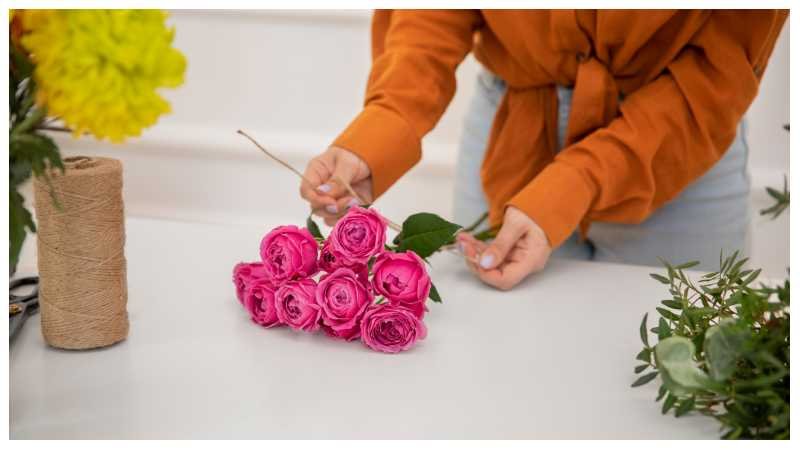
The Boylecheloid Flower is often described as a visually appealing ornamental plant that has recently attracted attention among gardeners and plant enthusiasts. While not widely documented in mainstream botanical references, it is commonly treated as a decorative flowering species valued for its balanced structure and aesthetic appeal.
This flower is mainly appreciated for its ability to enhance both indoor and outdoor spaces. Its rising popularity comes from a combination of unique appearance, manageable care requirements, and adaptability to different environments.
For beginners, it serves as an accessible plant to start gardening with, while experienced growers value it for its decorative flexibility in landscaping and design.
Key Features and Unique Characteristics
One of the main reasons the Boylecheloid Flower stands out is its overall visual harmony. The petals are usually layered in a way that gives the flower a full, rich look without appearing overly dense.
The color variations are another strong feature. Shades can range from soft whites to vibrant pinks and purples, sometimes even blending multiple tones within a single bloom. This makes it highly versatile for decorative purposes.
The plant typically maintains a moderate size, which makes it suitable for pots, containers, and garden beds alike. It does not overpower surrounding plants, allowing it to fit well in mixed arrangements.
Another notable aspect is its subtle fragrance. While not extremely strong, the light scent adds a pleasant atmosphere, especially in indoor settings or small garden spaces.
Types of Boylecheloid Flower
Although formal classification is limited, gardeners often categorize this flower based on structure and visual density.
The single-petal type is the simplest form, known for its clean and minimal look. It is easier to maintain and is often preferred by beginners who want reliable growth with less effort.
The double-petal variety is more decorative, featuring multiple layers that create a fuller appearance. This type is often used in ornamental gardening where visual impact is important.
Hybrid variations are also becoming more common. These are usually developed to improve color intensity, resistance to environmental stress, and overall durability. However, hybrids may require slightly more attention to maintain their quality.
Natural Habitat and Ideal Growing Conditions
Understanding the natural preferences of the Boylecheloid Flower is essential for achieving healthy growth.
This plant generally performs well in mild to warm climates. Extreme temperature fluctuations can slow its development or affect flowering cycles.
Sunlight plays a critical role. It requires a balanced exposure, ideally receiving several hours of sunlight daily without being subjected to harsh, direct heat for extended periods.
The soil should be well-drained and moderately fertile. Heavy or waterlogged soil can damage the roots and lead to poor growth. A loose soil structure enriched with organic matter tends to produce the best results.
Humidity also contributes to its health. Moderate levels help maintain freshness in the leaves and flowers, while excessively dry conditions may reduce blooming quality.
How to Grow Boylecheloid Flower Successfully
Growing Boylecheloid Flower becomes straightforward when basic steps are followed correctly.
The process begins with selecting healthy seeds or young plants from a reliable source. Strong starting material significantly increases the chances of successful growth.
Soil preparation is the next important step. Mixing garden soil with compost improves both fertility and drainage, creating a balanced environment for root development.
Planting should be done with proper spacing to allow airflow and prevent overcrowding. Seeds are usually placed at a shallow depth, ensuring they receive enough moisture and warmth to germinate.
Watering must be consistent but controlled. The goal is to keep the soil slightly moist without allowing water to accumulate. Overwatering is one of the most common mistakes and should be avoided.
As the plant grows, regular feeding with a balanced fertilizer supports leaf and flower development. Proper light exposure during this stage ensures healthy blooming.
Care Tips for Healthy Growth
- Maintaining the Boylecheloid Flower does not require complex techniques, but consistency is essential.
- Watering should follow a steady routine based on weather conditions. During warmer periods, the plant may require more frequent hydration, while cooler seasons demand less.
- Pruning plays a significant role in keeping the plant healthy. Removing dead or damaged parts allows energy to be redirected toward new growth and flowering.
- Pest control should be handled early. Small insects such as aphids or mites can affect the plant if ignored. Using mild treatments or natural solutions helps protect the plant without causing harm.
- Air circulation is often overlooked but very important. Proper spacing between plants reduces the risk of fungal infections and keeps the foliage fresh.
- Seasonal adjustments also matter. In colder conditions, protecting the plant or moving it indoors can prevent damage.
Benefits and Uses of Boylecheloid Flower
- The Boylecheloid Flower offers a combination of aesthetic and practical benefits.
- Its primary use is decorative. Whether placed in a garden, balcony, or indoor pot, it enhances the visual environment and creates a more inviting space.
- The presence of flowers has a natural calming effect, making this plant suitable for areas where relaxation is important, such as living rooms or personal workspaces.
- In landscaping, it serves as a complementary plant that adds color without overwhelming the overall design. It blends well with other plants and contributes to balanced arrangements.
- It is also suitable as a gift due to its elegant appearance and symbolic association with freshness and beauty.
Common Problems and Easy Solutions
- Despite being relatively easy to grow, the Boylecheloid Flower can face some common issues.
- Yellowing leaves are usually a sign of excessive watering. Adjusting the watering schedule and ensuring proper drainage typically resolves this problem.
- If the plant shows slow growth, it may lack nutrients. Adding fertilizer can restore its development and improve overall health.
- A lack of flowers often indicates insufficient sunlight. Relocating the plant to a brighter area usually helps trigger blooming.
- Pest infestations should be addressed immediately. Early treatment prevents damage from spreading and keeps the plant in good condition.
- By monitoring these issues regularly, most problems can be managed before they become serious.
Interesting Facts You Should Know
The Boylecheloid Flower is gaining popularity mainly due to online gardening communities where unique and lesser-known plants attract attention.
It is often chosen by beginners because it offers a balance between beauty and ease of care, making it less intimidating than many exotic species.
Some growers report slight variations in color depending on soil quality and environmental conditions, adding an element of uniqueness to each plant.
Its ability to adapt to both indoor and outdoor environments increases its appeal, especially for people with limited gardening space.
Final Thoughts
The Boylecheloid Flower represents a perfect combination of simplicity and elegance. It is not overly demanding, yet it delivers strong visual results when cared for properly.
For anyone interested in gardening, it offers a practical starting point without sacrificing beauty. For experienced growers, it adds variety and flexibility to plant collections.
Success with this flower comes down to understanding its basic needs such as light, water, soil, and regular maintenance. When these factors are managed correctly, the plant can thrive and produce consistent blooms.
In the end, the Boylecheloid Flower is more than just a decorative plant. It is a reliable and attractive addition to any space, capable of bringing natural charm and freshness with relatively minimal effort.