
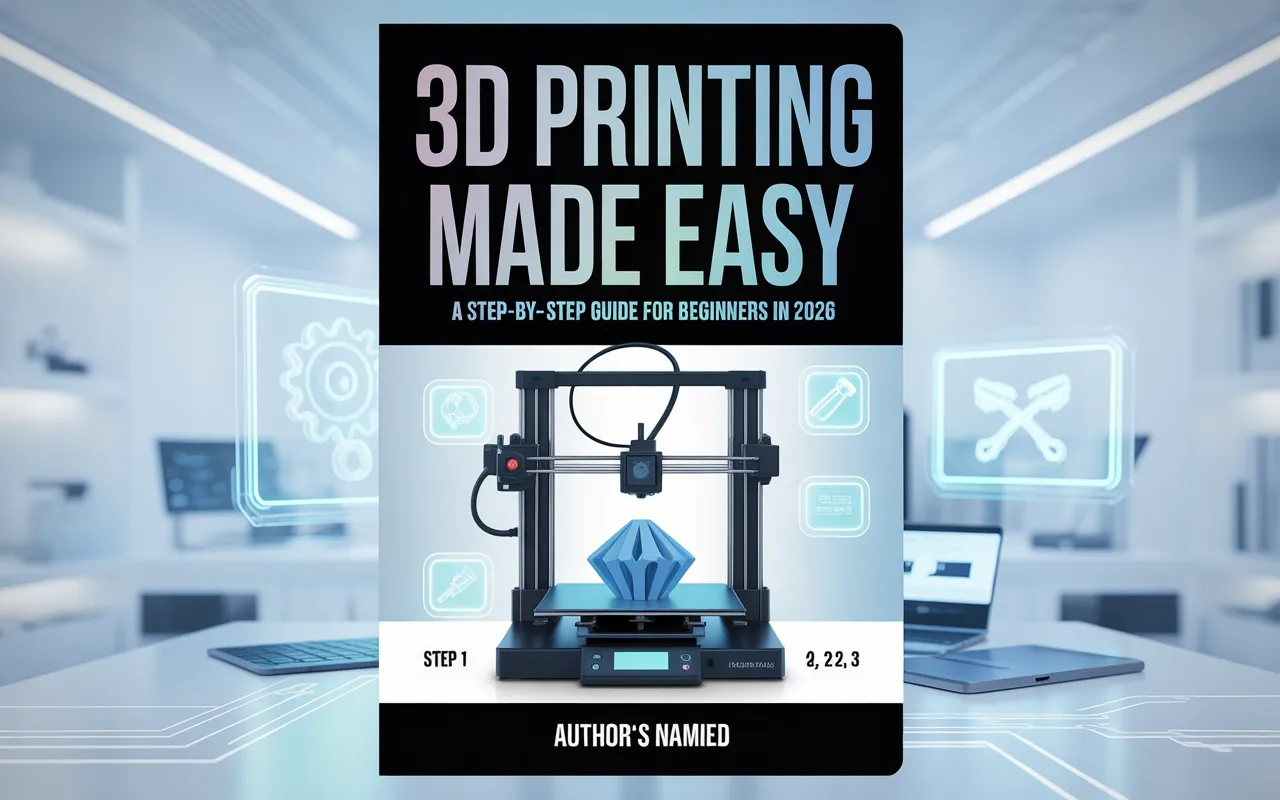
3D Printer Buying Guide
A 3D printer is a device that produces physical objects out of a computerized design by layering them one at a time. In the year 2026, 3D printing will be popular since one can create personalized objects in a short time, whether to have fun, learn, or be employed. The guide is aimed at the actions of beginners and new clientele who have no idea of how to find a 3D printer and start printing without mistakes.
2. Is a 3D printer Right for You?
It is important to think about the use before purchasing a 3D printer. Other individuals purchase it as a hobby to create toys, decorations, or small models, whereas others purchase it to use in a professional setting to make prototypes or parts.
It will not require any advanced skills, though the readiness to get acquainted with the fundamentals of software, printing methods, and maintenance will benefit your experience significantly and help to enjoy it.
3. Types of 3D Printers Explained
3D printers can be found in various forms, and each of them has its own working process.
Most beginners have been using FDM printers due to their use of plastic filament, be they are simple to maintain and are considered cheap.
The SLA printers are designed to print in high detail but are more demanding in terms of care and safety measures.
Other advanced printers such as SLS printers are more industrial in nature and therefore beginners would not normally use them as they are not only costly and difficult to use.
The nature of the printer is also essential to know, that is why you can choose the sort of printer that can meet your abilities and needs.
4. Key Things to Consider Before Buying
Before you buy a 3D printer, you have to consider your spending level, the size of objects which you are going to print, quality which you will require, the speed at which you want the printer to work.
The printers on the entry level are cheaper with the ability to use smaller print sizes whereas the professional models can be very expensive.
Build volume influences the size of your objects, layer height and accuracy influence the finish of your surface. It is also essential to balance between the speed of print and stability so that you can achieve identical results.
5. Materials and Filaments
The printers vary in the type of material used by 3D printers. Typically used filaments are PLA, ABS, and PETG that differ in terms of strength, flexibility, and difficulty of working with. Resin printers utilise resin which is a liquid in order to develop detailed objects.
Some printers cannot work with all types of material and therefore you will need a printer that deals with a certain filament or resin that you are going to use. Not to be frustrated by materials, knowing that they will make your work effective.
6. Ease of Use for Beginners
There are printers that are built and others that require configuration. Newcomers tend to prefer ready
made models. Additions such as auto bed leveling, touchscreens and friendly interface make printing easier. The level of noise and safety also matter particularly when you intend to use the printer at home. It is time-saving to pick a printer that is user friendly and minimizes errors.
7. Software and Connectivity
The 3D printing uses a computer program to prepare your digital design to go through printing.
Slicing software breaks your files down into layers that your printer can read, typically in format form of STL or OBJ.
A lot of printers can be printed either through USB or SD card, or Wi-Fi. The availability of user friendly software and good connectivity will make the printing easier and reduced frustration to beginners.
8. Maintenance and Reliability
Any 3D printer does demand some kind of maintenance, including cleaning the print bed, nozzles, and replacement of the worn parts. When selecting a printer, it is easier to maintain and avoid spending a lot of time waiting when the printer is out of commission, installing a printer with easily available spare parts, a good warranty, and a reputable customer support system is the solution. There is also a good printer that gives better prints.
9. Safety Considerations
Heat and electricity as well as chemicals may be involved in use of 3D printers. It is necessary to have good ventilation, particularly resin printing.
Safety precautions are to always be observed when working with resin or filament, and ensure that your printer has electrical and fire safety. The safety knowledge will ensure that you and the environment are safe.
10. Best 3D Printers for Beginners in 2026
There are numerous possibilities of the beginners in 2026. In exexpensive printers are cheap and simple to operate, intermediate printers are more expansive in their build volumes and quality of print, whereas plug-and-play printers need a minimum amount of setup.
Resin printers are very useful in high detailed printing but require special handling. Proper selection of the printer depends on your expense, area and nature of the object to be printed.
11. Accessories You May Need
There are accessories that you can use. These entail filament storage, spares nozzles and cleaning or finishing tools. The right accessories will assist in ensuring that your printer is maintained, enhances the quality of every print and also save your time.
12. Common Beginner Mistakes to Avoid
Beginners commit such errors as selecting improper type of printers, disregarding cost of materials, or and bypassing calibration and maintenance. Spending time to do some research on your printer and maintain it in proper way will save frustration and wastages of resources. It is on the basis of these mistakes that one can learn and enjoy a smooth printing process.
13. Setup and First Print Guide
When you buy your printer, make sure that you follow the rule of unpacking and installing. Calibration of bed and everything in place. Begin with a small test print, to test the settings and quality. A well-configured setup is a guarantee of effective printing and minimizing error opportunities.
14. Upgrading and Scaling Later
You can always upgrade your printer or switch to one that is more advanced when you have got used to your printer. Unnecessary changes should be avoided at the beginning as they may make the process difficult.
There is also the possibility of upgrading slowly to get skills and handle larger or more complex print as time progresses.
15. Final Buying Checklist
You should make sure that you have the budget, that you compare features, and you get a printer that is easy to use and one that meets your needs before making the purchase. Reviews of checks, warranties, and compatibility of materials. You will make an informed decision and prevent mistakes that would occur following a checklist.
16. Conclusion
Purchasing a 3D printer in 2026 is an exciting opportunity that is necessary to take into account. Being aware of the kind of printers, material, software and maintenance requirement, beginners are in a position to select the appropriate printer and begin printing successfully. To an extent, 3D printing can be an engaging hobby, a learning tool, or even a source of some business opportunity with patience and practice. For more buying information Techmindora is best choice
Author

aqssa566@gmail.com
Related Posts
Samsung W26 Foldable Smartphone — Premium Luxury Foldable Device
Today’s Date: February 20, 2026 The Samsung W26 foldable smartphone is the way Samsung tries to unite the innovative technologies with the...
Read out all
First Time Home Buyer Guide in 2026
2. Who Qualifies as a First Time Home Buyer Guide A first-time home buyer is an individual who has had no home...
Read out all